
Nour Al-Huda

Blog

Hajj journey faith

10 Essential Steps for Hajj: Etiquettes, Pillars & Step-by-Step Rituals

Table of Contents

1. Introduction: The Heart of Hajj

2. What Is Hajj? Understanding Its Importance

3. The Spiritual Significance of Hajj

4. Types of Hajj Rituals

5. Major Hajj Rituals (Step-by-Step Guide)

6. Benefits and Rewards of Hajj

7. Common Mistakes Pilgrims Should Avoid

8. Practical Tips to Prepare for Hajj

9. Ihram Rules at a Glance

10. Why Hajj Changes Lives

11. Conclusion

1. Introduction: The Heart of Hajj

Hajj, it is not just an ordinary trip. Hajj is a miraculous, lifechanging journey to the Holy city of Makkah. Every year, millions of Muslims gather from all over the world to the Saudi Arabian city of Makkah, the home of the Kabba, to worship Allah SWT. Hajj is meant to change the heart, body and soul.

“And proclaim to mankind the Hajj. They will come to you on foot and on every lean camel; they will come from every distant pass.”  surahalHajj, 27

«وَأَذِّنْ فِي النَّاسِ بِالْحَجِّ يَأْتُوكَ رِجَالًا وَعَلَى كُلِّ ضَامِرٍ يَأْتِينَ مِنْ كُلِّ فَجٍّ عَمِيقٍ»

(الحج: 27)

2. What Is Hajj? Why does it Matter?

Hajj is one of the Five Pillars of Islam. A obligatory pilgrimage that every Muslim must do once in his lifetime if able. Muslims from all over the world go to Makkah, Saudi Arabia to visit the Kabba and worship Allah subhanah wataealaa.

“Whoever performs Hajj and does not commit any obscenity or wrongdoing will return like the day his mother gave birth to him.”

(Sahih al-Bukhari)

قال رسول الله ﷺ :

«من حج فلم يرفث ولم يفسق رجع كيوم ولدته أمه»

(صحيح البخاري)

3. The Meaning of Hajj in Islam

Hajj is the pilgrimage to Mecca made by Muslims at a specific time of the year. It has certain rituals called “Manasik.” It is required once in a lifetime of every adult Muslim who is capable.

Hajj is the fifth pillar of Islam. The prophet Muhammad once said: “Islam is built upon five: testifying that there is no god but Allah and Muhammad is His Messenger and establishing prayer and giving Zakah and fasting Ramadan and performing Hajj for whoever is able to do so.

قال رسول الله صلى الله عليه وسلم: “بني الإسلام على خمس: شهادة أن لا إله إلا الله وأن محمدًا رسول الله، وإقام الصلاة، وإيتاء الزكاة، وصوم رمضان، وحج البيت لمن استطاع إليه سبيلًا”

Pilgrims set out on the 8th of Dhul-Hijjah when they enter Ihram at the Miqat, they do Tawaf al Qudum in Makkah, they spend the day of Tarwiyah in Mina, then they stand on Arafah, they stone the Jamarat, they do Tawaf al Ifadah, then they spend a few days in Mina for the days of Tashreeq and before leaving the holy places they do Tawaf al Wada’.
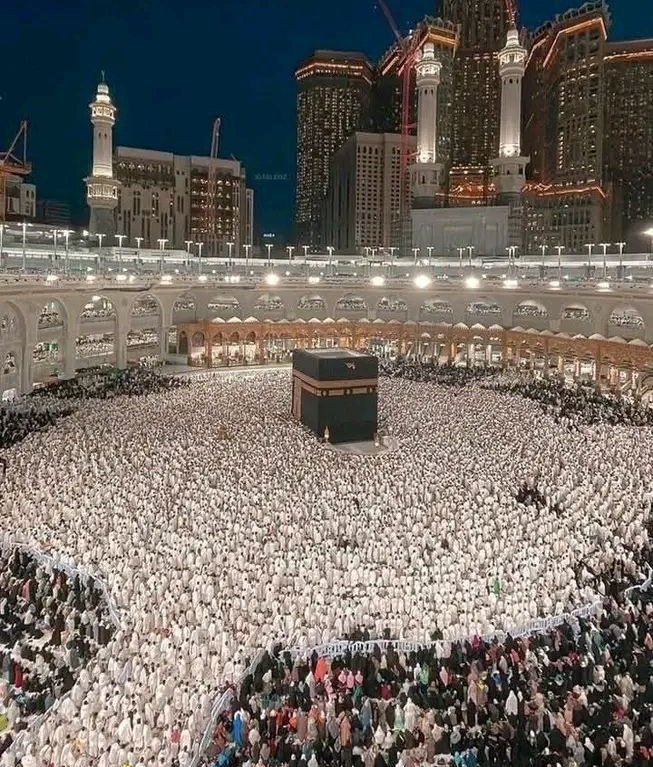
Hajj pilgrimage in Makkah

4- Types of Hajj Rituals

1. Tamattu‘ Hajj

Intention: Perform ‘Umrah first, then Hajj after exiting ihram.

Number of Ihrams: 2

Tahallul between rituals: Yes (complete release after ‘Umrah)

2. Qiran Hajj

Intention: Perform Hajj and ‘Umrah together from the start.

Number of Ihrams: 1

Tahallul between rituals: No

3. Ifrad Hajj

Intention: Hajj only; ‘Umrah can be performed afterward with a new ihram.

Number of Ihrams: 1 (plus 1 if doing ‘Umrah later)

Tahallul between rituals: No

Quick Difference:

Tamattu‘: Separate ‘Umrah then Hajj → complete tahallul.

Qiran: One ihram for both Hajj and ‘Umrah.

Ifrad: Hajj only; ‘Umrah later with new ihram.

Types of Hajj Rituals

5. The Spiritual Significance of Hajj

Hajj teaches the kind of lessons that stay with a person forever. Here are some of the most meaningful ones:

Everyone is equal: In Ihram, everyone dresses the same. Rich, poor, famous, unknown — all stand before Allah as equals.

Patience: The heat, walking, and crowds remind us to stay calm and trust Allah during hard moments.

Sacrifice and love: Every step reminds us of the strength and faith of Ibrahim (AS), Hajar (AS), and Isma’il (AS).

Hajj isn’t just movement; it’s a reminder of who we are, what matters, and how to return to Allah with a clean heart.

6- Main Hajj Rituals (Step-by-Step Guide)

Entering Ihram

  • At the Miqat, the pilgrim makes the intention and begins reciting the Talbiyah:

«لَبَّيْكَ اللَّهُمَّ لَبَّيْكَ، لَبَّيْكَ لَا شَرِيكَ لَكَ لَبَّيْكَ، إِنَّ الْحَمْدَ وَالنِّعْمَةَ لَكَ وَالْمُلْكَ، لَا شَرِيكَ لَكَ»

  • Key rules: avoid cutting nails, perfume, or improper speech.

Tawaf (Circling the Kaaba)

  • Circumambulating the Kaaba seven times counter-clockwise, starting from the Black Stone.
  • Continuous remembrance and supplication during Tawaf

Sa’i Between Safa and Marwah

  • This act honors Hajar (ealayh alsalam) and her desperate search for water — a mother’s love that Allah turned into a miracle.

  • “Indeed, Safa and Marwah are among the symbols of Allah.” (Surah Al-Baqarah, 158)

قال الله تعالى:

«إِنَّ الصَّفَا وَالْمَرْوَةَ مِنْ شَعَائِرِ اللَّهِ»

( سورة البقرة، الآية 158)

Standing at Arafah (Wuquf)

  • This is the heart of Hajj. Where pilgrims spend the afternoon making duaa and reflecting on their lives.
  • “Hajj is Arafah.” (Sunan al-Tirmidhi)

قال رسول الله ﷺ :

«الحج عرفة».

(سنن الترمذي)

Hajj pilgrims standing at Arafah during Hajj

Muzdalifah

  • Pilgrims sleep under the open sky and collect small stones.
  • It’s a simple night that teaches gratitude and humility.

Stoning the Jamarat

  • Throwing stones at the pillars symbolizes resisting temptation and rejecting Satan.

Sacrifice (Udhiyah)

  • A reminder of Ibrahim’s (ealayh alsalam) devotion.
  • The meat is shared, especially with people in need.

Tawaf al-Ifadah

  • A required Tawaf done after the sacrifice.
  • It marks a major step toward completing the journey.

Cutting / Shaving Hair

  • Men shave; women trim a fingertip-length.

Final Tawaf (Tawaf al-Wada’)

  • The final walk around the Kaaba.
  • Many pilgrims leave with tears, carrying a heart full of peace.

Hajj Steps

7. Benefits and Rewards of Hajj

  • Spiritual Cleansing: Forgiveness and renewal of the heart.
  • Strengthened Faith: Deep reflection enhances connection with Allah.
  • Patience & Self-Control: Tests of endurance build discipline.
  • Unity of the Ummah: Millions pray together, wearing similar clothing.
  • Gratitude: Witnessing sacred landmarks nurtures appreciation.

8. Common Mistakes Pilgrims Should Avoid

  • Losing patience with fellow pilgrims
  • Neglecting hydration or health
  • Performing rituals mechanically without understanding
  • Excessive phone use
  • Arguments or harsh speech, especially in Ihram

9. Practical Tips to Prepare for Hajj

  • Learn rituals early (take online Hajj courses)
  • Improve physical fitness
  • Pack essentials: comfortable sandals, Ihram cloth, hydration pack, sun protection
  • Train your heart: patience, humility, empathy

Join Nour Ul-Hoda Academy’s Hajj Preparation Course Start Learning

10. Ihram Rules at a Glance

Allowed Not Allowed
Unscented soap Perfume
Sandals Covered footwear for men
Carrying bags, belts Cutting hair or nails
Marriage contracts Harming animals

11. Why Hajj Changes Lives

Pilgrims often describe Hajj as:

  • Life-defining
  • Emotionally overwhelming
  • Deep inner peace
  • Unity unlike any other
  • Standing at Arafah, they feel Allah’s mercy is greater than all mistakes ever made.

12. Conclusion

This pilgrimage shapes hearts, heals souls, and renews faith. Whether preparing for it or aspiring to perform it one day, knowledge, patience, and devotion ensure an accepted and spiritually transformative journey.

 Start Your Islamic Learning Journey Today.

Join Nour Ul-Hoda Academy and learn Quran, Tafsir, Hajj rituals, and Arabic with certified online teachers.

Scroll to Top